The room as the unit of order
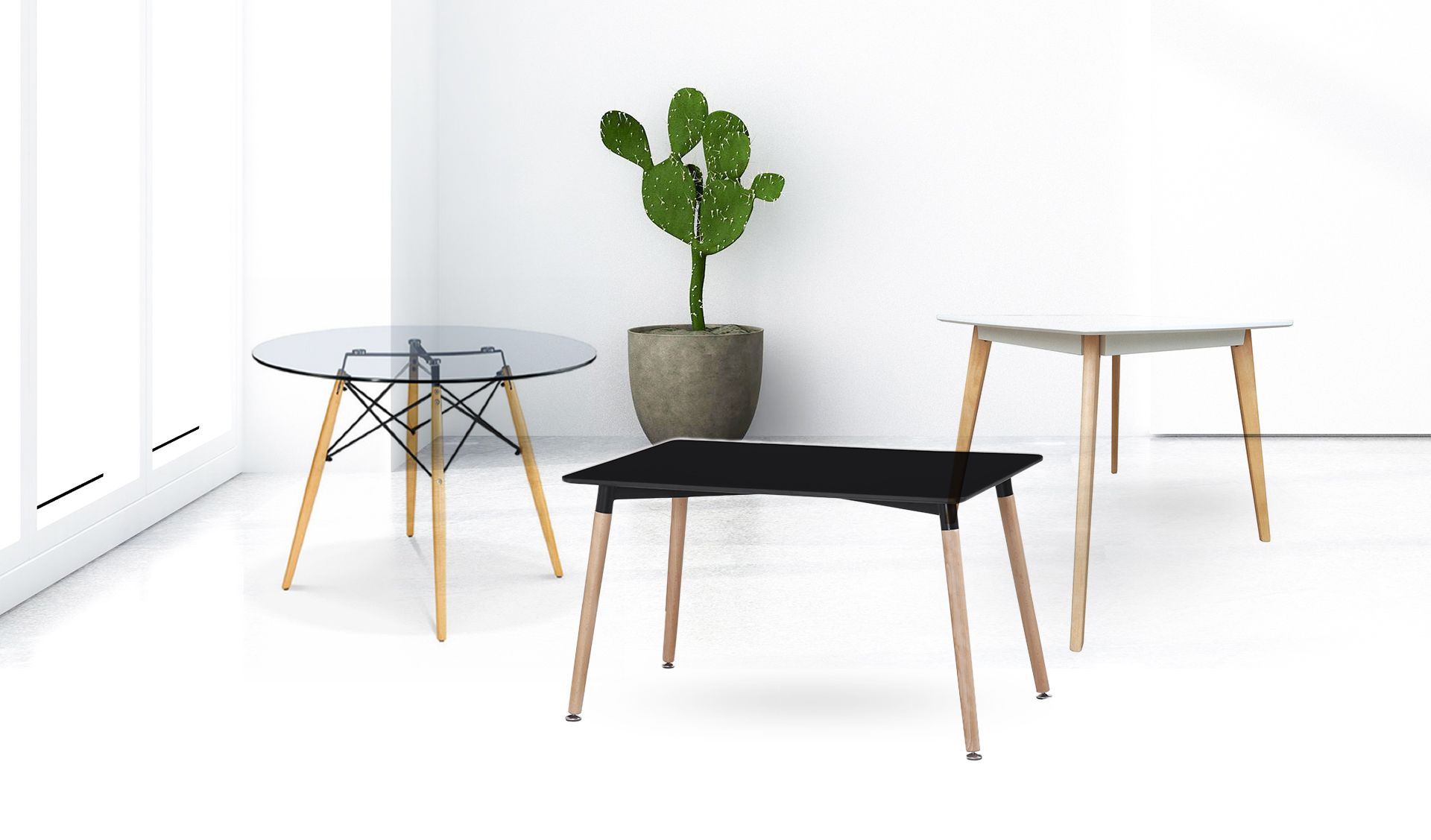
A restaurant buyer who orders chairs alone, then tables alone, then lighting alone, will assemble a room from parts that never met, and the room will show it in spacing, height and finish mismatches. A buyer who orders the room as a unit, naming chairs, tables, covers and layout together, will get a room whose parts agree, since the company can judge height pairings, finish matching and spacing for the actual combination. This page exists to push buyers toward that unit-of-order thinking, because it prevents the mismatches that single-piece ordering creates.
The company website describes its range in whole-room words, supplying restaurant, dining, office and bar chairs plus tables, and the restaurant furniture buyer should take that whole-room description literally: chairs and tables together, for a named room, with a named cover count. A buyer furnishing a new restaurant should send the floor plan or its measurements with the inquiry, since a plan lets the company judge covers, spacing and walkways for the real room rather than for a generic dining room.
Cafes, restaurants and hotels compared
A cafe, a restaurant and a hotel dining room are three different whole-room orders, even when they buy from the same catalogue. A cafe wants light, wipe-clean chairs and small tables that turn quickly, with a layout that seats many covers in a small floor. A restaurant wants chairs and tables that suit a longer meal, with spacing that lets guests linger without feeling crowded. A hotel dining room wants both, plus banquet capability for events, which may mean two chair lines and two table shapes in one property.
Hotels add a further whole-room question that cafes and restaurants rarely face: the dining room must coordinate with the lounge, the bar and the banquet hall, since a guest moves between all four and notices a clash. A hotel buyer should therefore consider ordering dining room, lounge and banquet furniture together, so finishes can be coordinated across the property, while still judging each room's lines on their own pages. The commercial furniture page sets out that multi-room programme logic in full.
Covers, spacing and the guest experience
Covers decide revenue, spacing decides comfort, and the two pull in opposite directions: more covers mean more revenue but tighter spacing, while generous spacing means happier guests but fewer covers. A restaurant buyer should decide that trade explicitly, with a floor plan that marks walkways, service routes and the kitchen pass, rather than discovering it after furniture arrives. Chair size matters in that trade, since a generous chair needs wider gaps than a slim chair, and a buyer should name their chair line when asking about table counts.
Guest experience follows from spacing and from chair comfort together: a guest who sits comfortably with elbow room will linger, order more and return, while a guest who sits crowded will leave early and remember the room unkindly. A buyer should test the room with real chairs and tables before opening, seating a full complement of guests for a trial service, since a plan that looks generous on paper can feel crowded in practice. That trial service is the most valuable test a restaurant buyer can run, and it should happen before a full order is approved.
Ordering restaurant furniture for a new room
A restaurant furniture inquiry should name the room, the floor plan or measurements, the cover count, the service style and the opening date, since those five facts let the company plan a room rather than quote pieces. Custom colours, logos and designs can be raised in the same message, because the company supports customisation, but a buyer should ask whether a custom finish is offered on each line in the room. Samples of the chair and the table together, tested in the real room, answer the height and finish questions better than any separate sample.
Quantities, delivery timing and packing are settled per order, and a restaurant furniture buyer should ask about ordering chairs and tables together, since a single delivery lets finishes be matched in one batch. Ask how tables are packed to protect tops, how chairs are packed to protect finishes, and what happens if any piece arrives marked. Certificates for specific models, where a buyer needs them, should be requested by model, and the certificates page explains why this site does not publish a blanket list.